
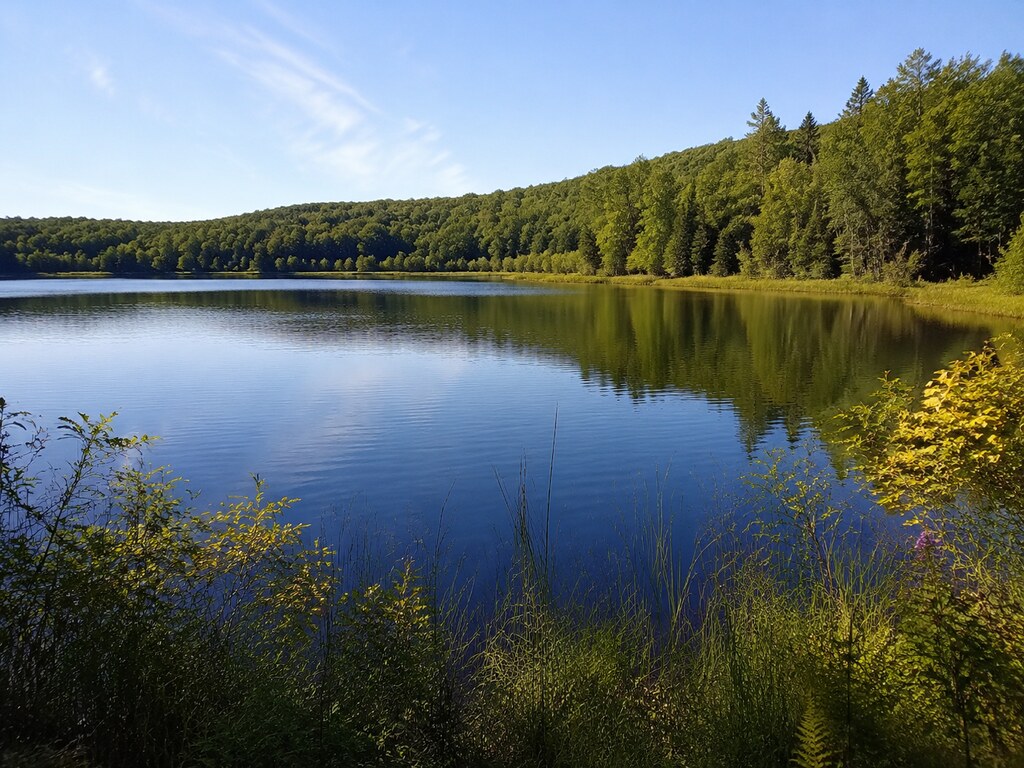
Mauthe Lake Fishing Pier gives anglers a straightforward shore-fishing option in the Northern Unit of Wisconsin’s Kettle Moraine State Forest. The Wisconsin DNR identifies the pier as accessible to visitors with mobility impairments, while the 70-acre lake supports panfish, largemouth bass, northern pike and walleye. This guide covers access, facilities, current rules and practical trip planning.
Mauthe Lake Fishing Pier at a glance
- Location: Mauthe Lake Recreation Area, N1490 County Road GGG, Campbellsport, Wisconsin 53010
- Setting: Northern Unit, Kettle Moraine State Forest
- Access: Mobility-accessible fishing pier plus a public boat landing
- Lake: 70 acres with a maximum depth of 23 feet
- Common fishing targets: Panfish, largemouth bass and northern pike; walleye are also present
- Hours: The state forest is open daily from 6 a.m. to 11 p.m.
- Admission: A Wisconsin state park vehicle admission sticker is required
Finding the pier and parking
Navigate to the Mauthe Lake Recreation Area at N1490 County Road GGG, Campbellsport, WI 53010. Once inside, follow recreation-area signs toward the lake and fishing access. The pier is the best choice for visitors who want to fish without launching a boat, and the DNR specifically lists it as accessible to people with mobility impairments.
A vehicle admission sticker is required. Because traffic, construction, events and seasonal facility availability can change, check the Kettle Moraine Northern Unit conditions page before leaving home.
Shore fishing and boat access
The developed pier offers a stable fishing position and is the lake’s clearest option for shore anglers. Mauthe Lake also has one public boat landing and a public beach, according to the DNR lake inventory. The current state-forest guidance describes the launch as paved for canoes and small boats: gas-powered motors are prohibited, while electric trolling motors are allowed. Boaters should inspect posted rules and conditions on arrival and avoid crowding the pier’s casting area.
If you need equipment, the DNR says free tackle-loaner gear may be checked out at the Mauthe Lake entrance station when the station is open. Availability is not guaranteed, so bring your own basic tackle when possible.
Fish species in Mauthe Lake
The official DNR lake profile lists panfish, largemouth bass and northern pike as common, with walleye present. For pier fishing, a simple setup with small hooks and live bait can suit panfish, while bass and pike anglers may prefer artificial lures. Fish location changes with water temperature, weather and time of day, so treat any technique as a starting point rather than a guarantee.
Current Wisconsin fishing regulations
For the 2026–27 season, the DNR’s waterbody-specific page lists these rules for Mauthe Lake:
- Panfish: Open all year, no minimum length and a daily bag limit of 25.
- Largemouth and smallmouth bass: Open May 2, 2026, through March 7, 2027, with a 14-inch minimum and a combined daily bag limit of five.
- Northern pike: Open May 2, 2026, through March 7, 2027, with a 26-inch minimum and a daily bag limit of two.
- Motor trolling: Allowed with up to three hooks, baits or lures per angler.
Rules can change and statewide provisions may also apply. Before fishing, confirm licensing requirements and review the current official Mauthe Lake regulations. The DNR notes that a regulation category does not by itself prove a species is present, which is why the species information above comes from the lake’s official profile.
Facilities and accessibility
Mauthe Lake Recreation Area is more than a day-use fishing stop. Its campground has 135 campsites, including 51 electric sites and accessible campsites. The 300 loop has a shower building with flush toilets, and vault toilets serve other areas. The property also includes a beach and playground. Concessions and canoe or kayak rentals are seasonal, so verify availability rather than planning a trip around them.
Campers can use the dump station, and the campground remains open year-round. Reservations and seasonal service levels can vary. Review the official Kettle Moraine Northern Unit camping page for current details.
Best time to visit
Late spring through fall offers the easiest combination of open-water fishing and recreation-area services. Summer weekends can be busy because anglers share the area with campers, paddlers and beach visitors. Arriving early may mean cooler conditions and a quieter pier. In colder months, confirm road, parking and lake conditions before traveling; never assume ice is safe based on appearance alone.
Safety and stewardship
- Watch for wet or slippery surfaces on the pier and keep tackle out of walkways.
- Supervise children closely near the water and use properly fitted life jackets when boating.
- Give swimmers, paddlers and other anglers enough room.
- Pack out line, hooks and bait containers so they do not injure wildlife.
- Clean, drain and dry boats and fishing equipment to reduce the spread of aquatic invasive species.
- Check weather, beach advisories and property conditions before your visit.
A nearby alternative
If the Mauthe Lake pier is crowded, Long Lake Recreation Area in the same state-forest unit also has a fishing pier that the DNR identifies as accessible to people with mobility impairments. Check its location and conditions separately before changing plans.
Plan with official sources
Start with the Wisconsin DNR’s official Kettle Moraine Northern Unit fishing page. For lake dimensions, access features and species, use the official Mauthe Lake profile. The forest office can be reached at 262-626-2116.


Leave a Reply